

ORGANIC BEEKEEPING (ORGANIC HONEY)


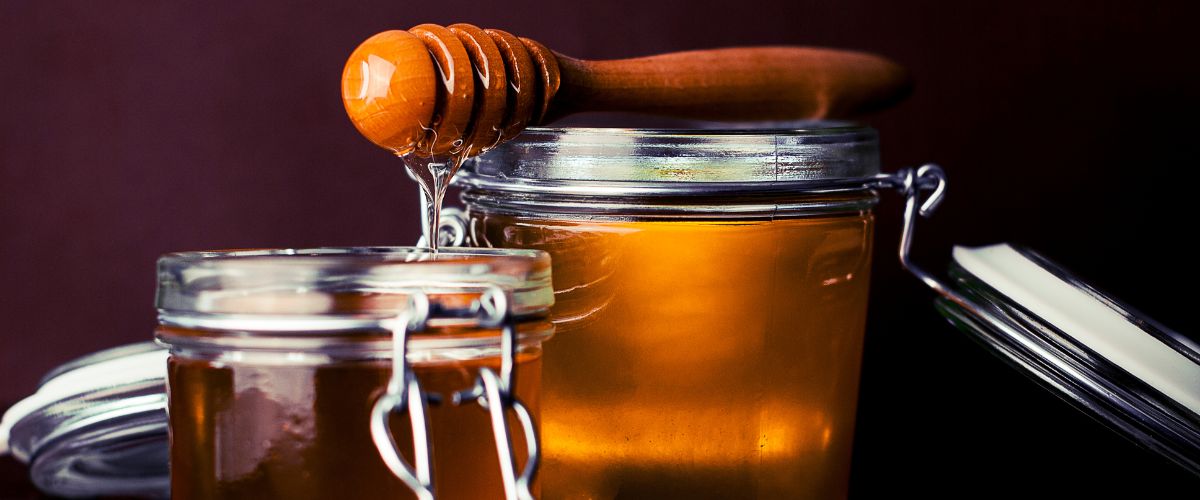
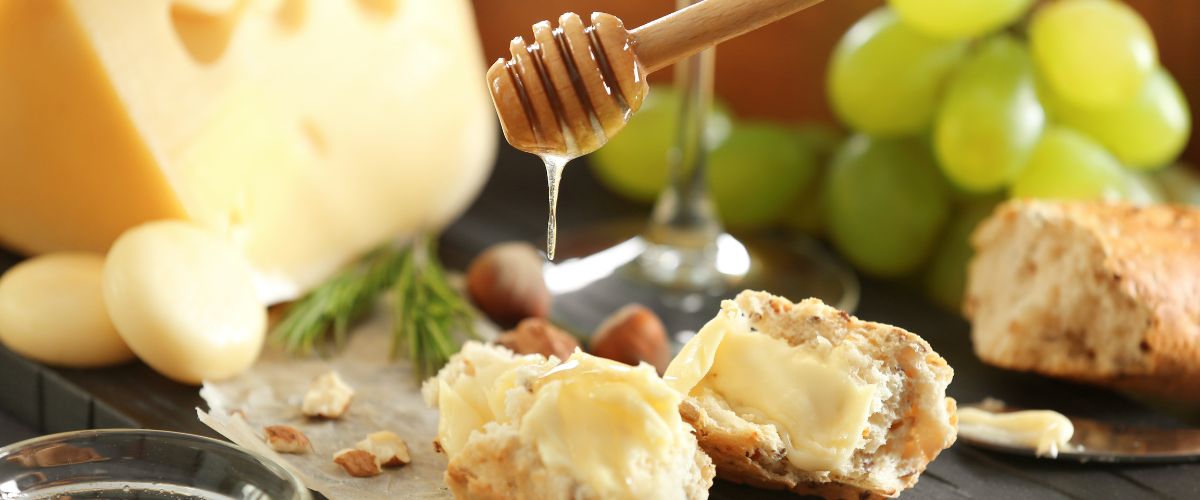
Honey is a natural sweet substance produced by honey bees from the nectar of flowers. It has been cherished by humans for its unique flavor, nutritional value, chemical free and various uses for thousands of years. Let’s delve into some key aspects of honey:
Honey bees collect nectar from flowers using their long tongues and store it in their honey stomachs. Enzymes in their stomachs break down the complex sugars in the nectar into simpler sugars. When the bees return to the hive, they regurgitate the nectar and pass it to other worker bees, who further process it by evaporating excess water and storing it in honeycomb cells. The bees seal these cells with wax, allowing the nectar to mature into honey over time.
The flavor, color, and aroma of honey can vary significantly depending on the types of flowers from which the bees collect nectar. This gives rise to a wide range of honey varieties, each with distinct characteristics. Some popular types include clover honey, wildflower honey, manuka honey, acacia honey, and lavender honey.
Honey is primarily composed of sugars, including fructose and glucose, making it a natural source of energy. It also contains trace amounts of vitamins, minerals, antioxidants, and enzymes. However, these nutrients are present in relatively small quantities, so while honey can be a better alternative to refined sugar, it should still be consumed in moderation.
Honey has been used for its potential health benefits in various traditional medicine systems. It’s believed to have antibacterial and anti-inflammatory properties, which can aid in wound healing and soothing sore throats. Manuka honey, in particular, has gained attention for its potential medicinal properties due to its high levels of a compound called methylglyoxal (MGO).
Honey is not only a natural sweetener but also a versatile ingredient in the kitchen. It’s used in a variety of culinary applications, from baking and cooking to salad dressings and marinades. Its unique flavors can complement both sweet and savory dishes, making it a popular choice for enhancing the taste of various foods.
Honey bees play a crucial role in pollinating plants, which is essential for the reproduction of many crops and the overall health of ecosystems. The decline of honey bee populations in recent years has raised concerns about the potential impact on agriculture and biodiversity.