

Mushrooms
Button mushrooms, scientifically known as Agaricus bisporus, are one of the most common and widely consumed edible mushrooms in the world. They are popular for their mild flavor and versatile culinary uses. Here’s all you need to know about button mushrooms:
Button mushrooms are small to medium-sized mushrooms with a smooth, round cap and a cylindrical stem. The cap typically measures around 2 to 5 centimeters (0.8 to 2 inches) in diameter, and the stem is about 2 to 6 centimeters (0.8 to 2.4 inches) in length.
Varieties of Button Mushrooms
Button mushrooms come in several different stages of growth, and each stage has a distinct name:
Button
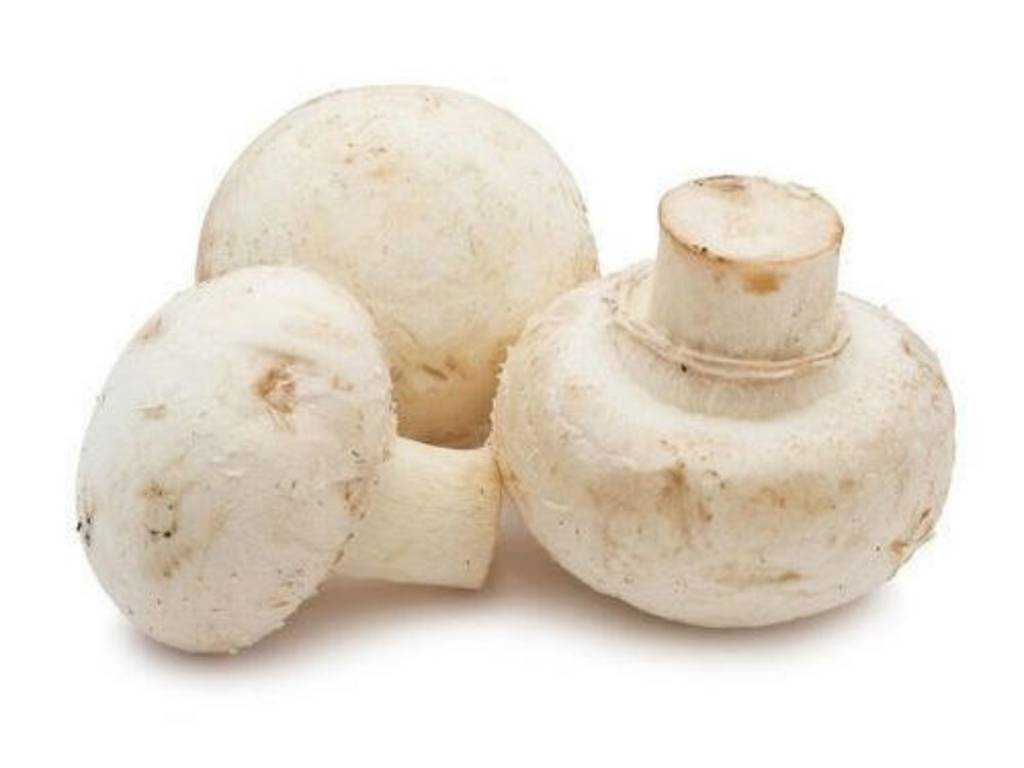
This is the youngest stage, where the cap is closed and still attached to the stem.
Crimini (Cremini)
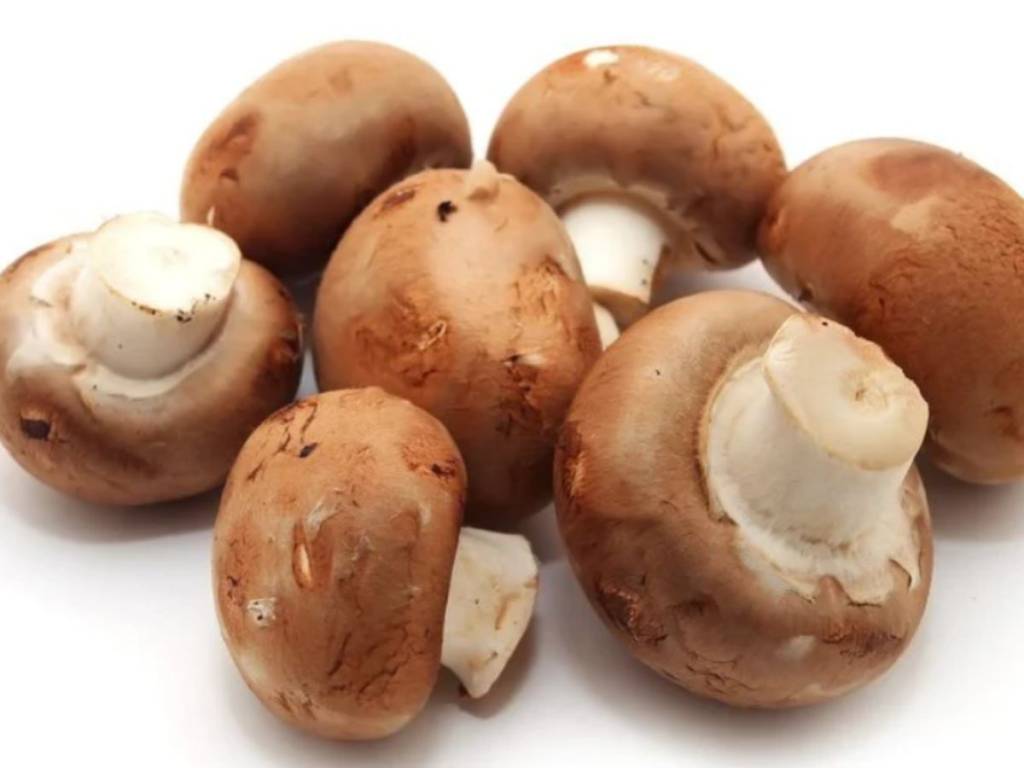
These are slightly older than button mushrooms. They have a similar appearance but are browner in color due to the cap opening up.
Portobello
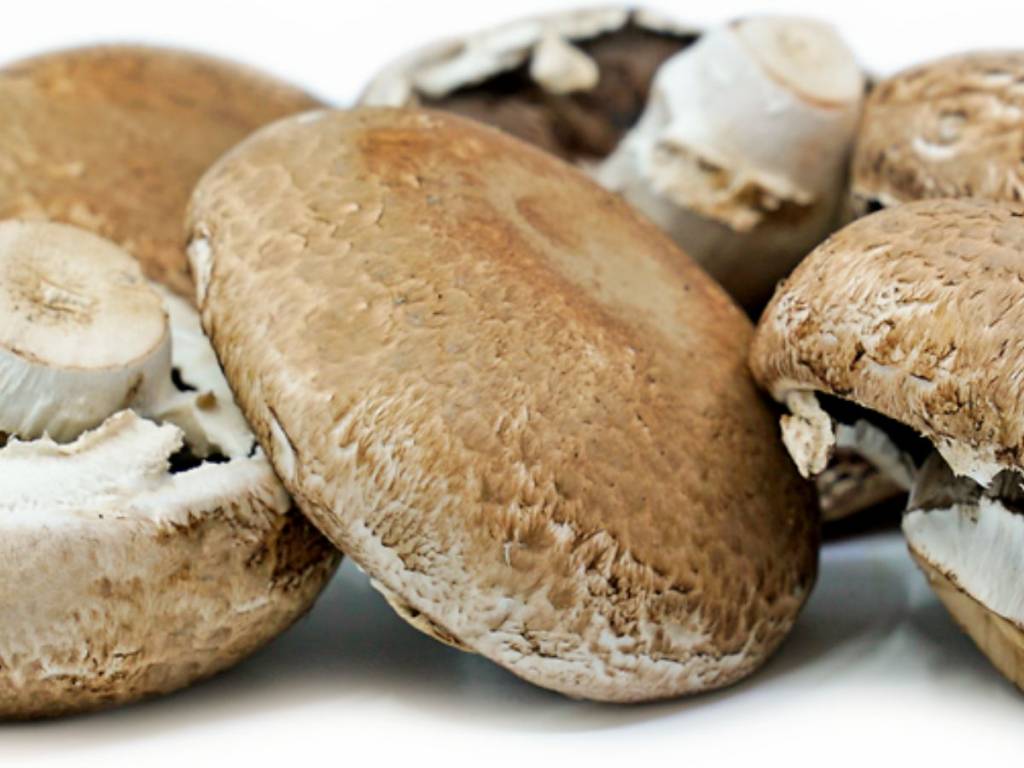
When allowed to mature further, criminis become portobellos. These are larger mushrooms with a fully opened cap. They have a more pronounced flavor and a meaty texture.
Baby Bella
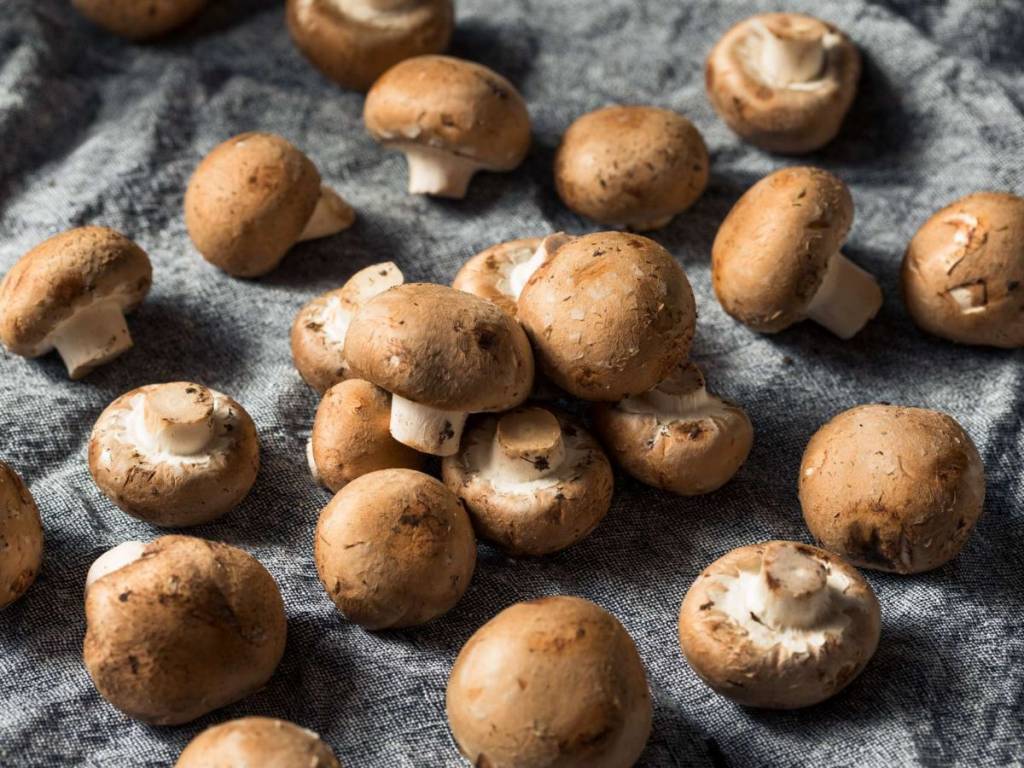
Sometimes used interchangeably with crimini, these are simply smaller versions of portobello mushrooms.
Button mushrooms are typically cultivated in controlled environments, such as mushroom farms. The cultivation process involves growing the mushrooms on a substrate, which can include materials like composted manure, peat moss, and other organic matter. The mushrooms are grown in dark, humid conditions and are harvested when they reach the desired size.
Button mushrooms are low in calories and fat, making them a healthy addition to various dishes. They are a good source of several essential nutrients, including B-vitamins (such as riboflavin, niacin, and pantothenic acid), minerals like selenium and potassium, and dietary fiber.
While more research is needed, some studies suggest that mushrooms, including button mushrooms, may have potential health benefits. They are believed to have antioxidant and immune-boosting properties due to their content of compounds like beta-glucans. Mushrooms also contain a moderate amount of vitamin D when exposed to sunlight or ultraviolet light during growth.
When selecting button mushrooms, look for those that are firm, plump, and free from bruising or blemishes. Store them in a paper bag or in the original packaging in the refrigerator and use them within a few days for optimal freshness.