

EGGS




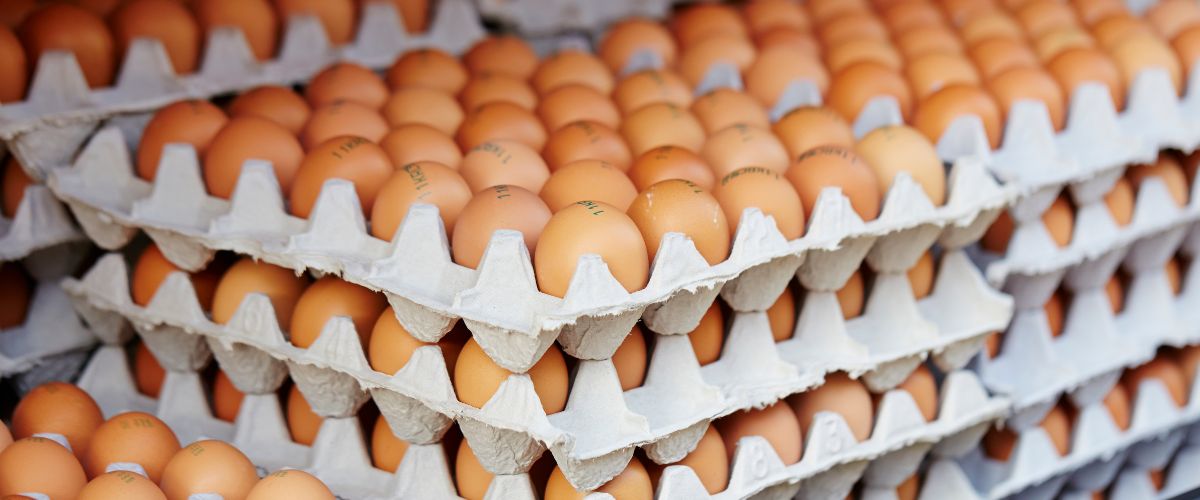
Egg farming, also known as poultry farming, is the practice of raising chickens or other poultry species for the purpose of producing eggs. Eggs are a staple food item in many cultures around the world and are used in various culinary applications. Egg farming can take place on small family farms, large commercial operations, and everything in between. Here’s an overview of various aspects of egg farming:
Layers: These are hens specifically bred for egg production. They lay eggs regularly, usually daily, once they reach maturity.
Broilers: These are chickens bred for meat production rather than egg-laying. They are raised to reach a marketable size quickly.
Free-Range: Hens are given access to the outdoors, allowing them to engage in natural behaviors and forage for insects and plants.
Cage Systems: Hens are housed in cages within a controlled environment, providing protection from predators and disease.
Battery Cages: This controversial system involves keeping hens in small, stacked cages, which has raised animal welfare concerns in many countries.
Hens start laying eggs at around 5-6 months of age and continue for about 2-3 years, with peak production occurring within the first year.
Egg production is influenced by factors such as lighting, nutrition, housing conditions, and breed.
A balanced diet is crucial for optimal egg production. Commercial feed is formulated to provide essential nutrients like proteins, carbohydrates, vitamins, and minerals.
The feeds may contain corn, soybean meal, vitamins, minerals, and additives to enhance eggshell quality and yolk color.
Proper biosecurity measures are essential to prevent the spread of diseases within the flock.
Vaccinations, regular health checks, and prompt treatment of sick birds are crucial for maintaining a healthy flock.
Eggs are graded based on quality factors such as shell cleanliness, size, and shell integrity.
Grading determines whether eggs are classified as Grade AA, A, or B, with Grade AA being the highest quality.
Eggs are then packaged in cartons, often labelled with information about the farm, expiration date, and production methods.