There are several ways to grow vegetables, ranging from traditional soil-based methods to modern and innovative hybrid approaches. The choice of method depends on various factors like available farm space, climate conditions in the location of the farm, farm input resources, market standards & regulations and personal preference. Here are some common ways of growing vegetables:
Outdoor Garden Beds
There are several ways to grow vegetables, ranging from traditional soil-based methods to modern and innovative hybrid approaches. The choice of method depends on various factors like available farm space, climate conditions in the location of the farm, farm input resources, market standards & regulations and personal preference. Here are some common ways of growing vegetables:
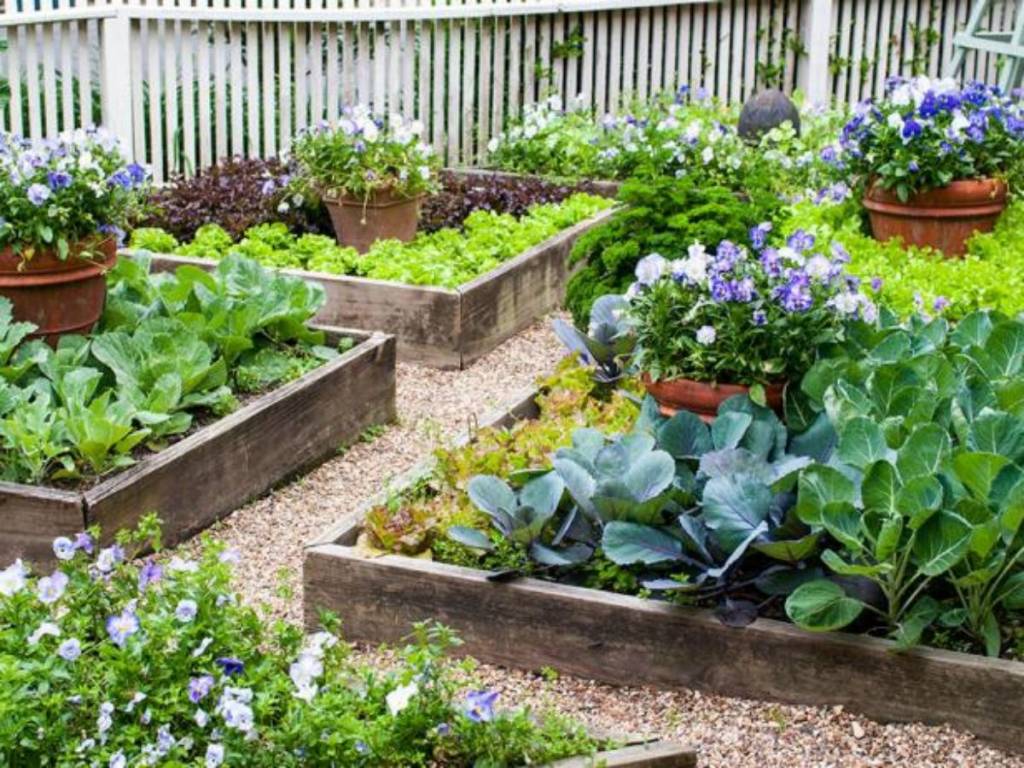
Raised Beds
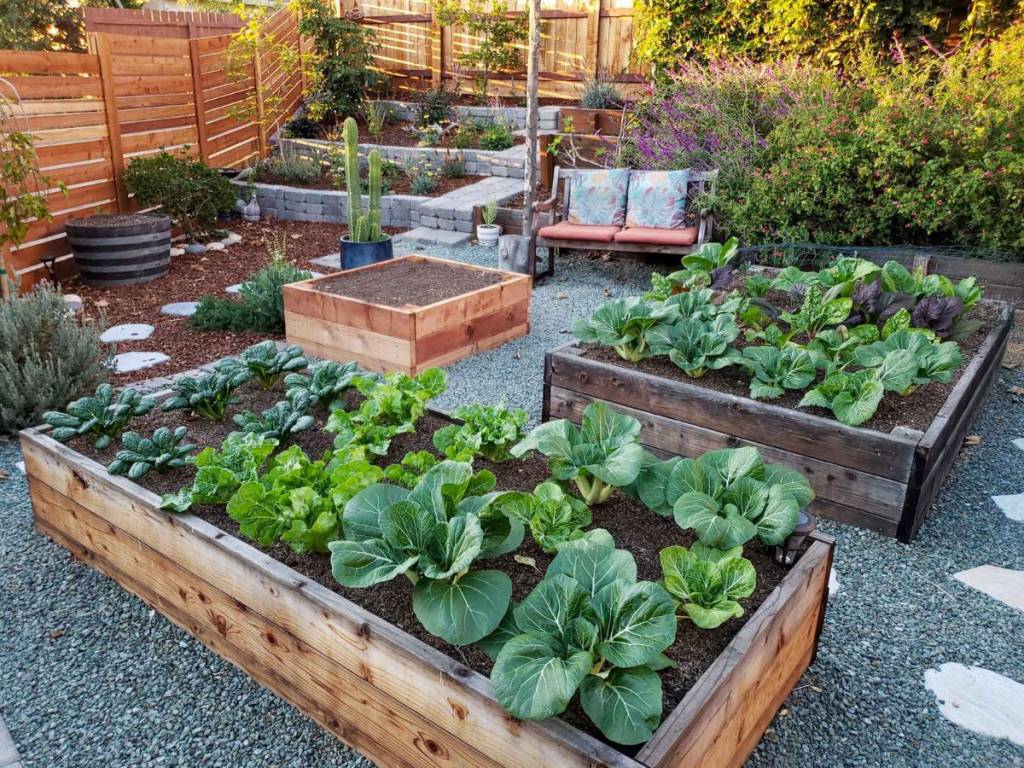
Raised beds are constructed above ground level, making them easier to manage and providing better control over soil quality. They can be made from wood, concrete blocks, or other materials. Fill them with a mix of soil, compost, and other amendments for optimal growing conditions.
Container Gardening
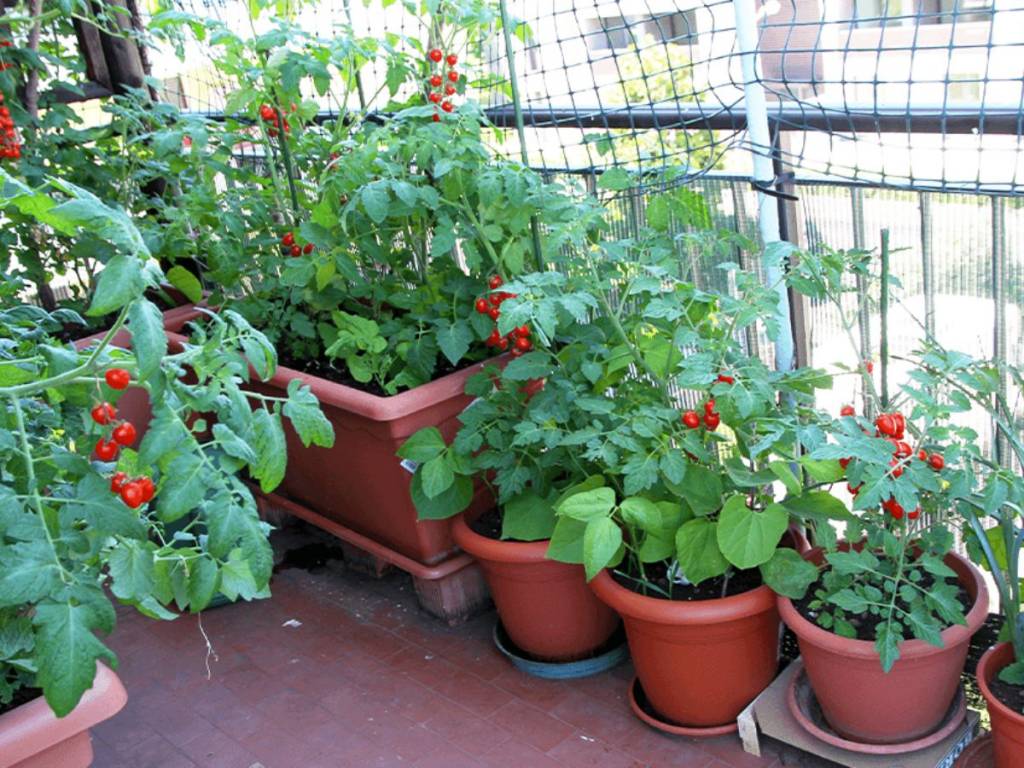
If you have limited farming space, container gardening is a desirable option. You can use pots, buckets, or other containers to grow vegetables. Ensure containers have proper drainage and use a good-quality potting mix.
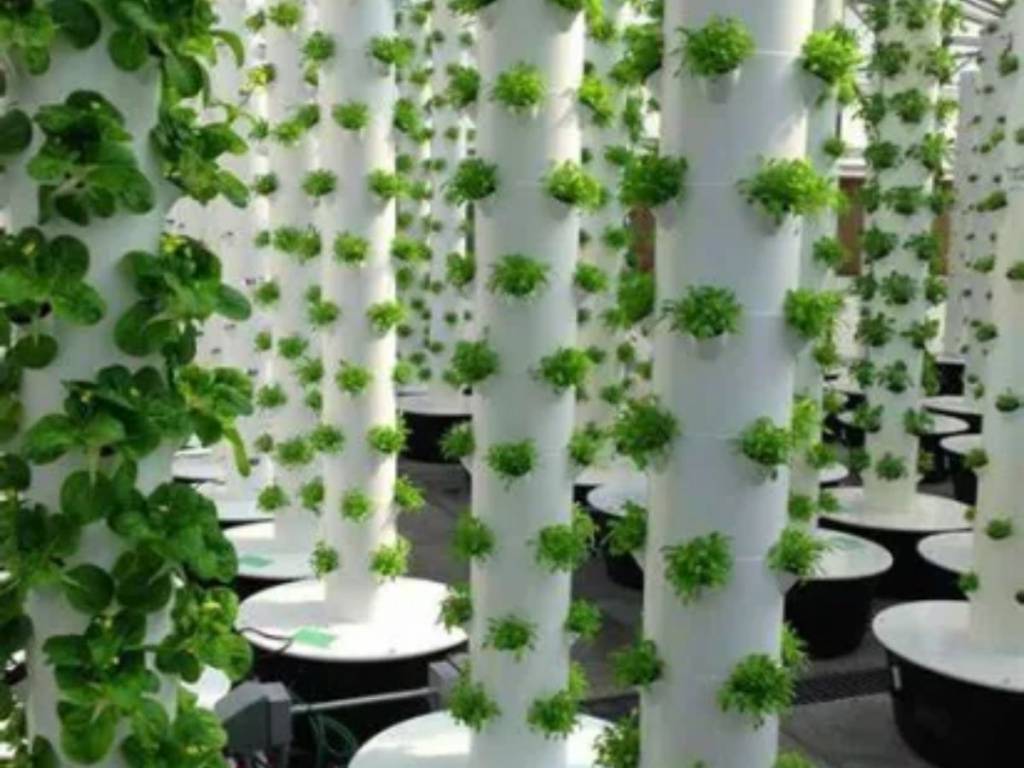
Vertical Gardening
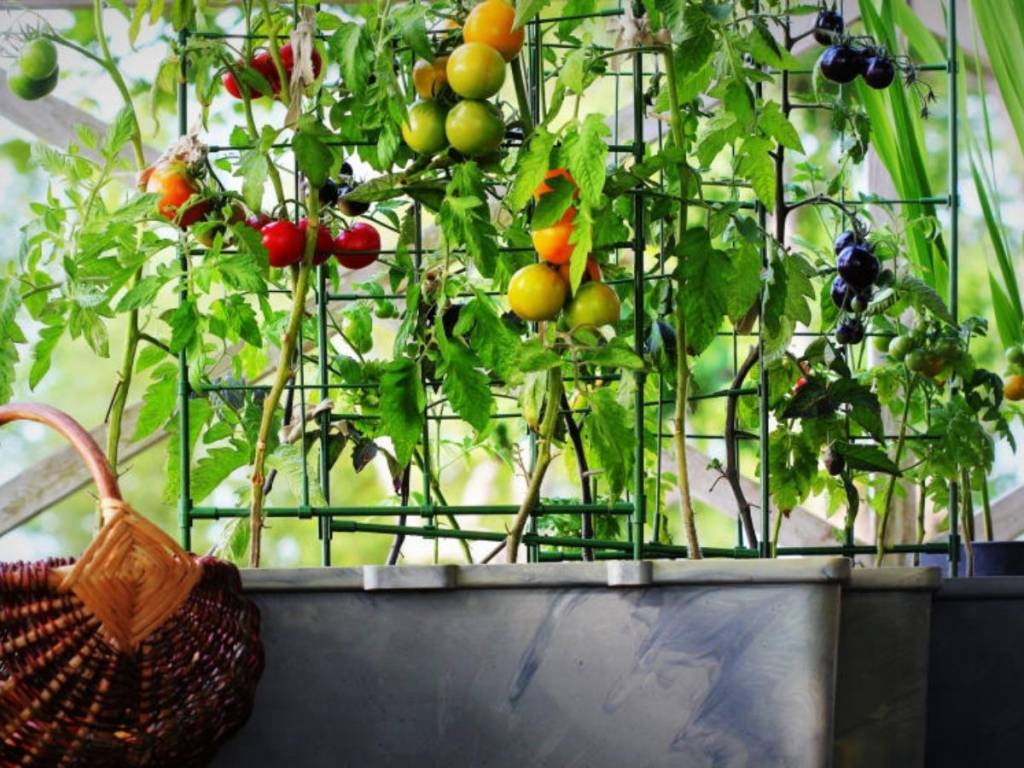
Vertical gardening involves growing vegetables on structures like trellises, fences, or walls. This method maximizes space utilization and can be especially useful for vining crops like tomatoes, cucumbers, and beans.
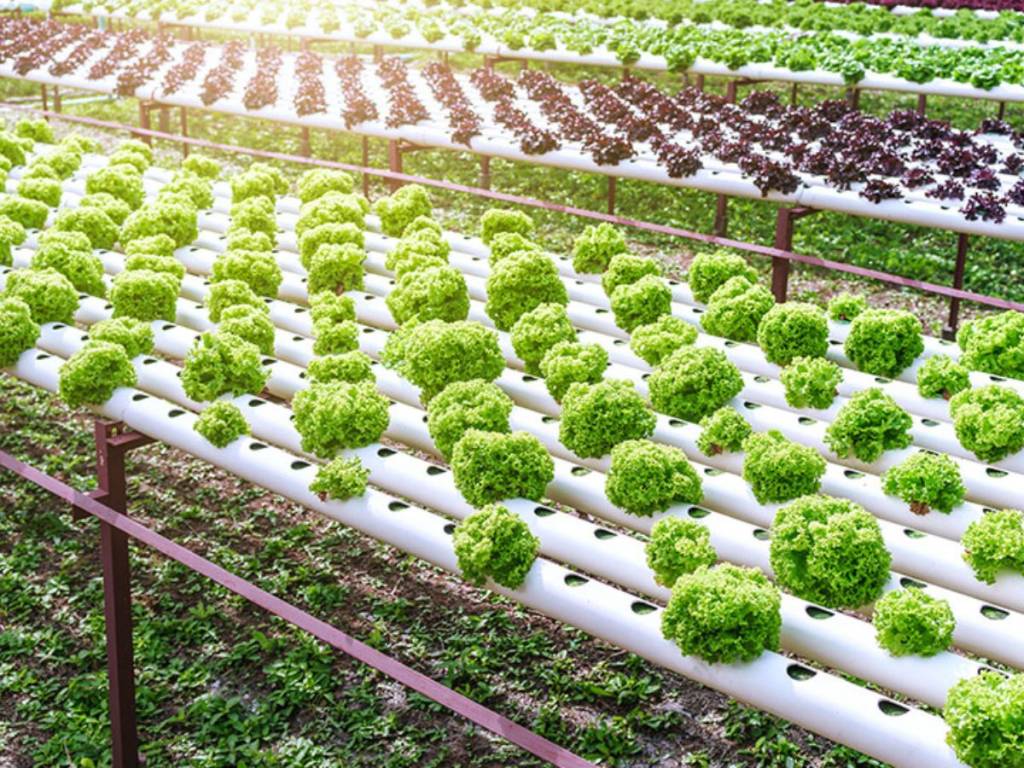
Hydroponics
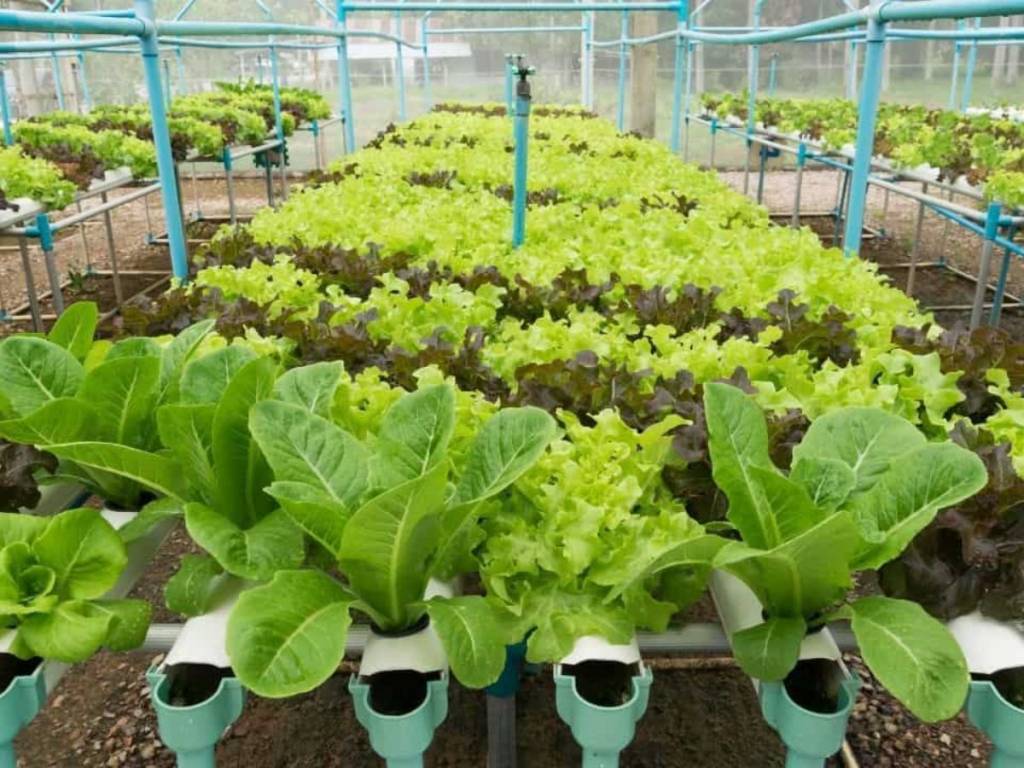
Hydroponics is a soilless growing method that uses nutrient-rich water solutions to nourish plants. This highly efficient method can result in faster growth and higher yields. It’s particularly suitable for areas with limited soil quality or space. It also conserves water by recycling the water for reuse.
Aeroponics
Similar to hydroponics, aeroponics is a method where plants are grown in an air or mist environment with nutrient-rich water sprayed onto their roots. This method promotes rapid growth and can save water compared to traditional soil-based gardening.
Aquaponics
Aquaponics combines fish farming (aquaculture) with plant cultivation (hydroponics). The waste produced by the fish provides nutrients for the plants, and the plants help filter the water for the fish. It’s a sustainable and symbiotic system.
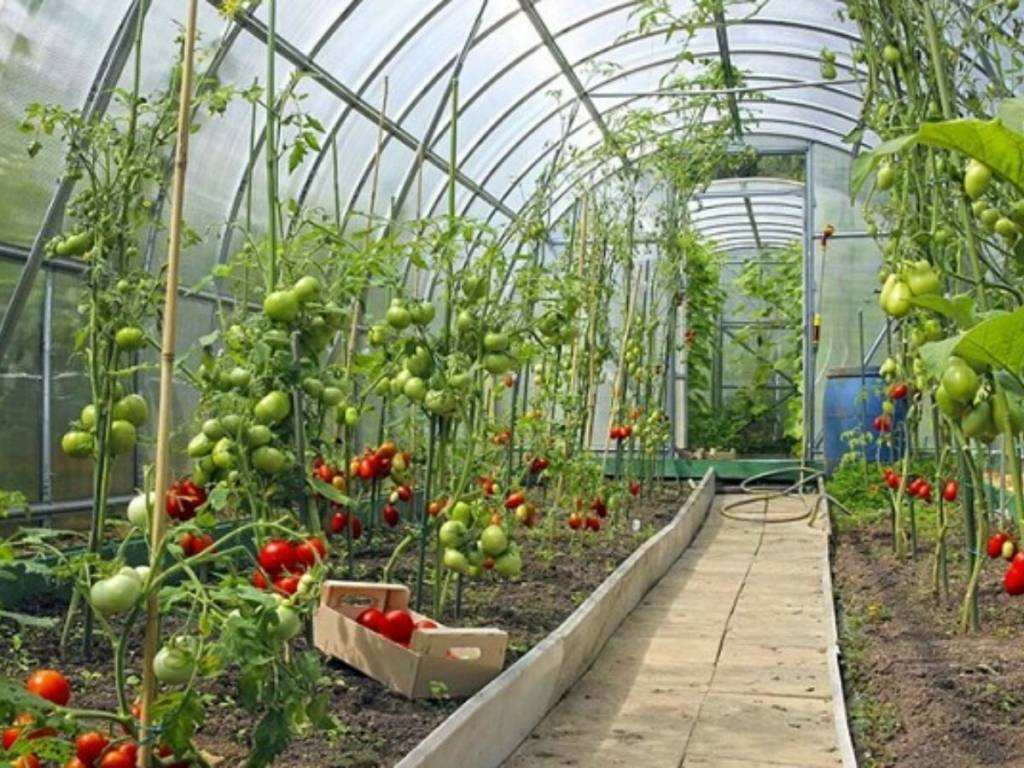
Greenhouses
Greenhouses provide a controlled environment, protecting plants from extreme weather conditions and pests. This allows for year-round vegetable cultivation and can extend growing seasons. It is desirable if the farm is located in unpredictable weather conditions.