

POULTRY FARMING


Poultry farming has emerged as a vital component of the global agricultural industry, providing a significant source of nutrition and livelihood for millions worldwide. We delve into the essential aspects of poultry farming, highlighting its importance, different systems, challenges, and sustainable practices.
Poultry farming involves raising various domesticated birds such as chickens, ducks, geese, turkeys, and quails for their meat, eggs, and sometimes feathers. It plays a crucial role in ensuring a steady supply of protein-rich food to meet people’s dietary needs.
Types of Poultry Farming Systems
Over the years, various poultry farming systems have been developed to cater to the diverse needs of consumers, environmental concerns and economic considerations. These systems range from traditional backyard setups to large-scale commercial operations. We will explore the different types of poultry farming systems that can be used.
Free-Range Farming
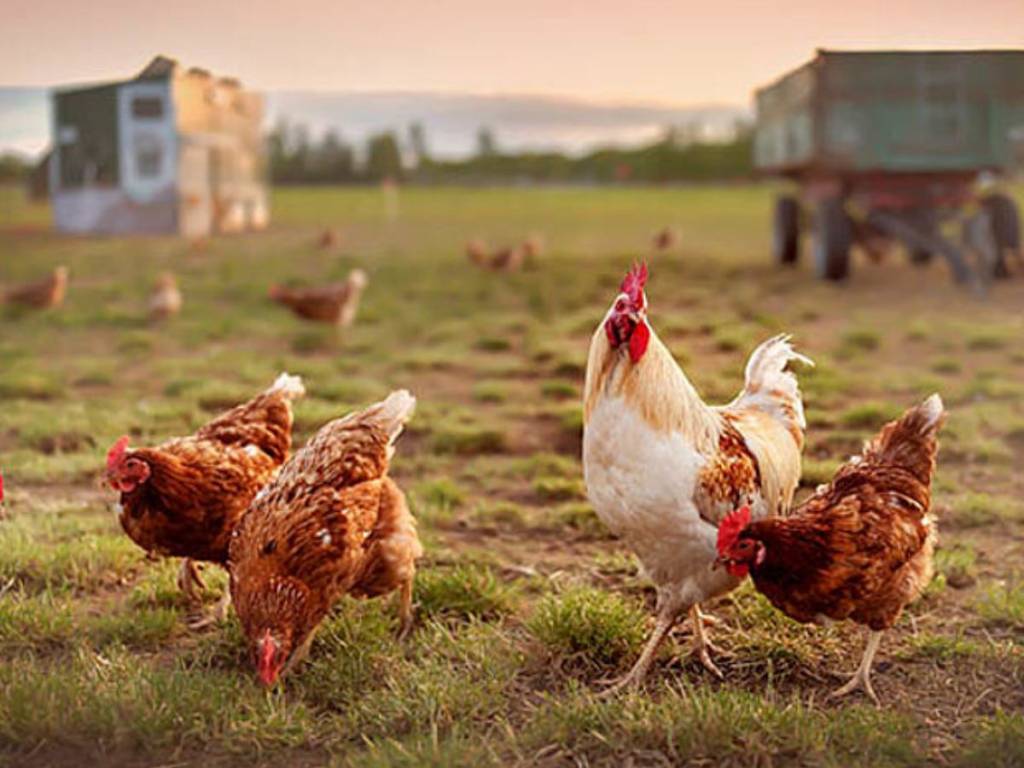
In this system, birds are allowed to roam freely outdoors, enabling them to forage, exercise, and express natural behaviors. This method provides a more ethical and natural environment for the birds but requires more space and careful management to prevent disease outbreaks.
Cage Farming
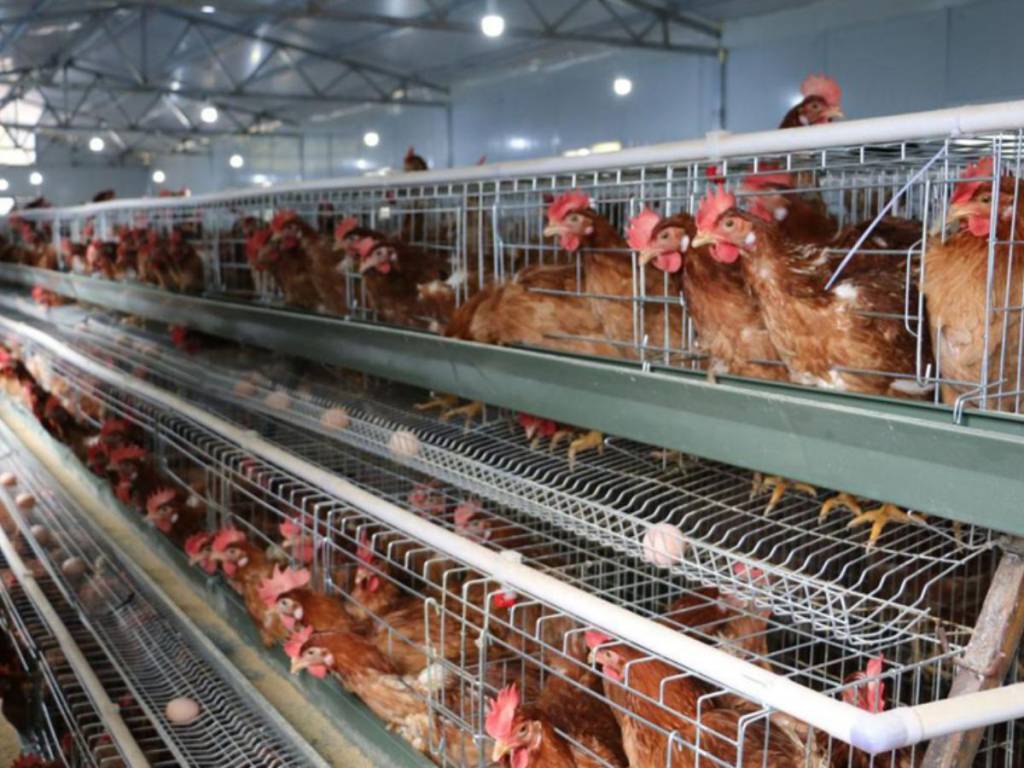
Birds are kept in cages with limited space, facilitating easier management and disease control. However, this method has been criticized for its ethical concerns and potential negative impacts on bird welfare.
Broiler Farming
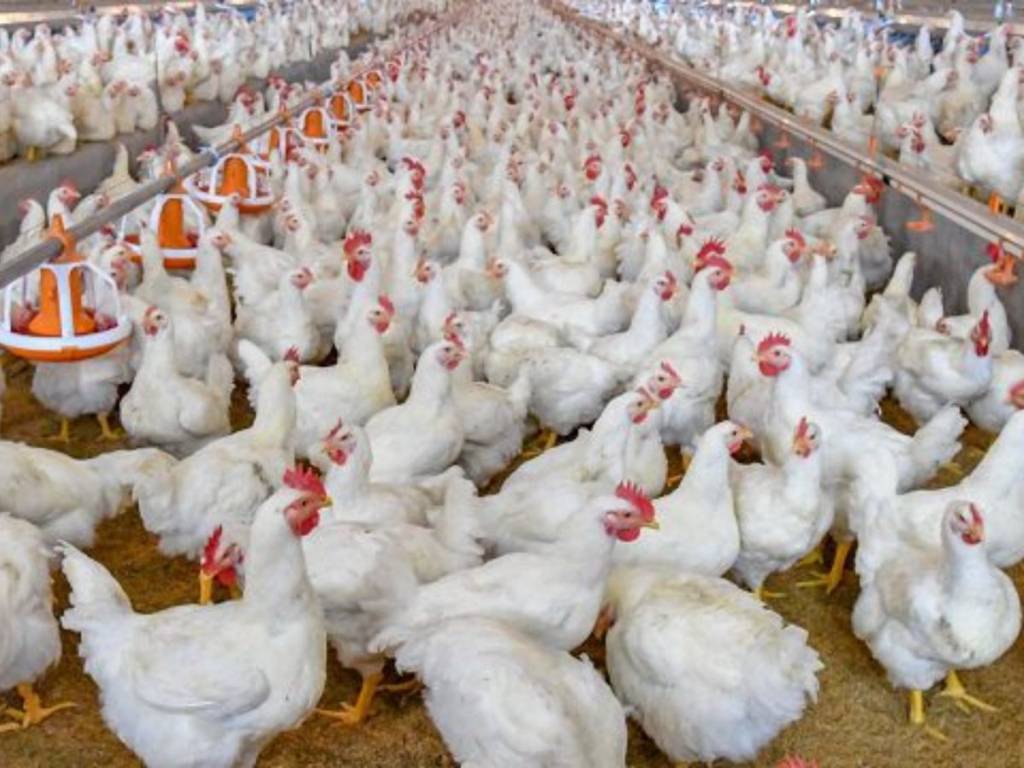
This focuses on raising chickens for meat production. It involves specialized breeds that grow quickly and efficiently convert feed into meat. Proper nutrition, housing, and disease control are essential for successful broiler farming.
Layer Farming
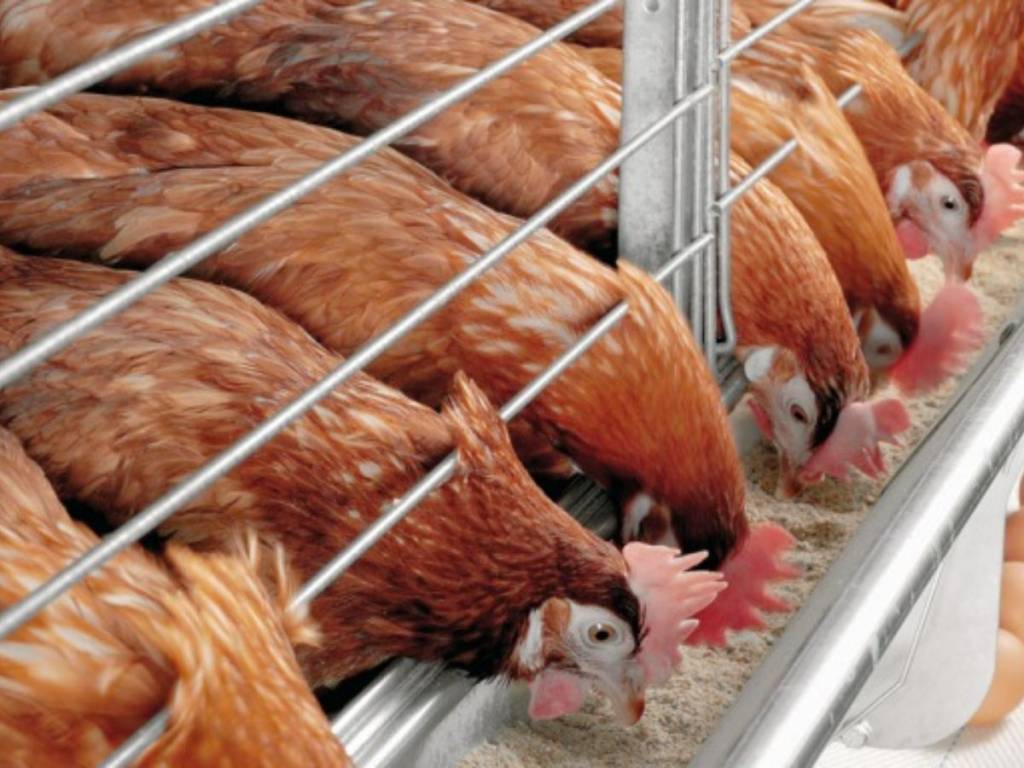
This system focuses on raising hens for egg production. Hens are housed in comfortable environments with access to nesting boxes. Proper lighting and nutrition are crucial for maintaining consistent egg production.
Disease Management: Poultry farms are susceptible to disease outbreaks due to the proximity of birds. Implementing strict biosecurity measures, vaccination protocols, and hygiene practices is crucial to prevent and manage diseases.
Environmental Impact: Poultry farming can have ecological environmental consequences, including waste management and resource consumption. Sustainable practices such as recycling waste, efficient water usage, and adopting renewable energy can mitigate these impacts.
Ethical Concerns: The intensive nature of some poultry farming systems has raised ethical questions regarding animal welfare. Striking a balance between productivity and humane treatment is essential.
Pasture-Raised Systems: Allowing birds access to outdoor areas where they can forage on natural vegetation helps improve their well-being and produce healthier products.
Organic Farming: Organic poultry farming involves adhering to strict guidelines regarding feed, housing, and health practices. This method promotes animal welfare and reduces environmental impact.
Integrated Farming: Combining poultry farming with other agricultural practices, such as crop cultivation or aquaculture, can create synergies that benefit both production systems.
Waste Management: Proper poultry waste disposal or recycling is crucial to prevent environmental contamination. Waste can be converted into valuable resources like compost or biogas.